


BLOG
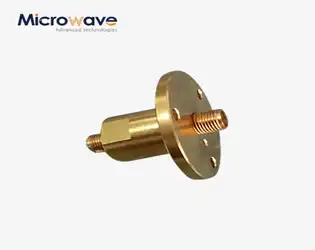
Mga Espesipikasyon sa Single Channel Coaxial Rotary Joint nga Nagtino sa Pagganap sa Radar
Oktubre 12, 2026
Kon ang radar antenna mo-spin sa gatosan ka RPM samtang nagpadala og high-power pulses, ang RF signal path dili makatugot og bisan usa ka gutlo sa pagkabalda. Ang single channel coaxial rotary joint anaa sa eksaktong interface—taliwala sa stationary transmitter ug sa rotating antenna—hilom nga modesisyon kon klaro ba nga makita sa radar ang target niini o dili ba kini makita sa hingpit. Ang pagpili sa sayop nga mga specs dinhi dili lang makadaot sa performance; mahimo usab kini nga mag-ground sa usa ka eroplano, makabuta sa usa ka barko sa dagat, o makadaot sa surveillance network. Kini nga giya nagpatin-aw kon unsa gyud ang importante.
Makaabot ba ang Waveguide Low Pass Filter og 100 dB Stopband Attenuation?
Oktubre 12, 2026
Ang usa ka waveguide low pass filter makab-ot og 100 dB stopband attenuation, apan ubos lamang sa piho nga mga kondisyon sa disenyo ug paggama. Ang standard nga mga commercial filter kasagaran mohatag og 60–80 dB rejection. Ang pagkab-ot sa 100 dB nanginahanglan og precision-machined waveguide structures (sama sa waffle-iron o corrugated topologies), high-conductivity nga mga materyales sama sa silver-plated copper, tight dimensional tolerances, ug advanced EM simulation atol sa disenyo. Sa ADM, ang among mga produkto sa waveguide low-pass filter gi-engineered alang gyud niining mga lisod nga senaryo — diin ang harmonic suppression ug signal purity dili mausab sa radar, satellite, ug mga sistema sa depensa.
Unsaon Pagpili og Waveguide Harmonic Filter para sa Workshop
Oktubre 10, 2026
Ang pagpili sa saktong waveguide harmonic filter para sa imong workshop dili sayon sama sa pagpili og component gikan sa estante. Ang waveguide harmonic filter usa ka passive microwave device nga mopugong sa dili gusto nga harmonic frequencies — kasagaran ang 2nd, 3rd, ug 4th harmonics — nga gihimo sa mga high-power amplifiers sama sa TWTAs ug Klystrons, samtang gitugotan ang fundamental signal nga moagi nga gamay ra ang loss. Ang sayop nga pagpili mahimong magpasabot og spectral noncompliance, interference sa kasikbit nga mga band, o kadaot sa downstream equipment. Kini nga giya maggiya kanimo sa eksakto kung unsa ang angay nimong hunahunaon sa dili pa mopalit.
Ngano nga ang mga Irises Nagtino sa Selectivity sa Disenyo sa Coaxial Bandpass Filter?
Oktubre 10, 2026
Kon pangutan-on ko sa mga inhenyero kon unsay nakapalahi sa usa ka mediocre RF filter gikan sa usa nga precision-grade, ang akong tubag halos kanunay mobalik sa usa ka detalye sa istruktura: ang iris. Sa usa ka coaxial bandpass filter, ang mga iris mao ang engineered discontinuities nga nagkontrolar kon unsa ka hait ang pagsugod ug pagtapos sa passband. Kini ang magtino kon ang imong sistema ba limpyo nga nagbabag sa adjacent-channel interference o nagtugot ba sa dili gusto nga mga signal nga moagi. Uban sa mga frequency-selective components nga karon nagdala og mas bug-at nga performance burden sa 5G, defense radar, ug satellite ground infrastructure, ang pagsabot nganong ang iris geometry naghubit sa filter selectivity dili na opsyonal para sa mga procurement engineer — kini ang baseline nga kahibalo.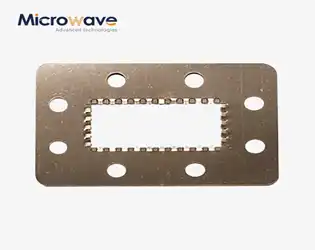
Pila ka Reuse Cycle ang Maagwanta sa mga EMI Waveguide Gasket?
Oktubre 10, 2026
Kon nagtrabaho ka gamit ang mga waveguide assemblies o RF enclosures, lagmit nakapangutana ka na niini labing menos kausa: unsa ka dugay molungtad ang usa ka EMI shielding gasket sa dili pa kini kinahanglan nga ilisan? Ang tubag dili usa ka numero — kini nagdepende sa materyal, palibot, ug kung unsa ka maampingon ang pagdumala sa gasket. Sa among kasinatian sa pagtrabaho uban sa mga defense, satellite, ug telecom procurement teams, ang mga EMI waveguide gasket nga hinimo gikan sa beryllium copper o stainless steel kasagarang makasugakod tali sa 50 ug 200 ka compression cycle ubos sa kontroladong mga kondisyon. Ang mga variant nga nakabase sa polymer ug conductive elastomer kasagaran mahulog sa 20-100 cycle range sa dili pa mahitabo ang masukod nga pagkadaot sa shielding effectiveness.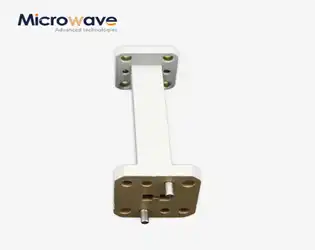
Gipasabot ang Waveguide Transition Frequency Range para sa Workshop
Oktubre 9, 2026
Ang waveguide transition usa ka passive microwave component nga nagbalhin sa RF energy tali sa duha ka lain-laing transmission media o waveguide sizes nga adunay gamay nga signal reflection. Sa mga workshop environment, ang pagsabot sa frequency range niini dili opsyonal — kini direktang nagtino sa insertion loss, return loss, ug kinatibuk-ang signal integrity. Nagtrabaho ka man gamit ang X-band radar assemblies o Ku-band satellite ground stations, ang pagpili og transition nga gipares sa imong operating frequency band makapugong sa impedance mismatch, makapugong sa parasitic modes, ug makaprotekta sa sensitibo nga amplifier hardware gikan sa reflected power.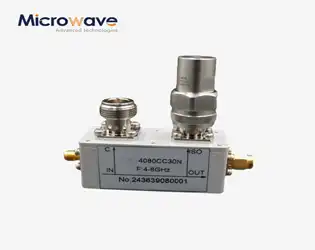
Single o Dual? Pagpares sa Coaxial Directional Coupler sa Imong Test Setup
Oktubre 9, 2026
Choosing between a single and dual coaxial directional coupler is one of those decisions that can quietly define the accuracy of your entire test setup. A coaxial directional coupler is a passive RF device that samples a fraction of electromagnetic power traveling in one direction along a transmission line, while maintaining high isolation from signals moving the other way. Whether you're monitoring forward power, measuring return loss, or building a reflectometer, picking the wrong configuration costs you time, money, and measurement confidence.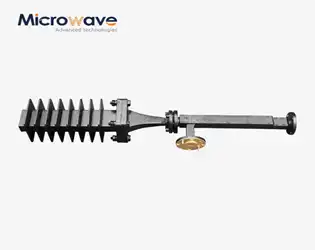
Pagpasabot sa mga Waveguide Attenuator: VSWR, Flatness, ug Power Ratings
Oktubre 9, 2026
Waveguide attenuators are precision passive components used in microwave and RF systems to reduce signal power by a defined amount while keeping reflections low and maintaining consistent performance across frequency bands. Whether you're building a radar system, setting up a satellite ground station, or calibrating a test bench, understanding how these components work—and what separates a good one from a poor one—can save you real time and money. This article breaks down the key specs you should know: VSWR, frequency flatness, and power ratings.